
Delays in Iran's Response to U.S. Proposal: Key Factors and Sticking Points
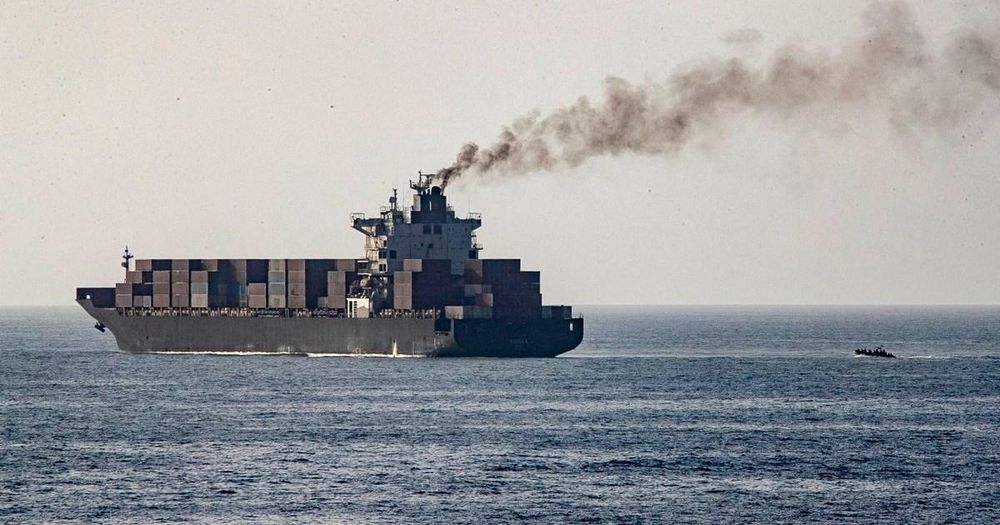
The United States awaits Iran's response to its latest proposal to end the regional war, which began on February 28 and has impacted global energy supplies due to Iran's de facto blockade of the Strait of Hormuz. The U.S. expected a response by Friday, but Iran is still reviewing the offer, insisting on a "fair and comprehensive" agreement.
The U.S. proposal, floated earlier this week, requires Iran to end its nuclear program for at least 12 years, open the Strait of Hormuz, and hand over enriched uranium. In return, the U.S. promises to lift sanctions and release frozen assets. U.S. President Donald Trump and Secretary of State Marco Rubio have expressed optimism about the prospects of a deal.
Iran's response has been delayed due to the technical nature of the U.S. proposal and the need for multiple Iranian power centers, including Supreme Leader Mojtaba Khamenei, to approve it. Iran is pursuing a three-phase approach, initially focusing on ending the war on all fronts, including involving Hezbollah in Lebanon. Iran also demands guarantees that attacks will not resume, lifting of sanctions, and reopening of the Strait of Hormuz, while maintaining its influence over the waterway.
Key sticking points include Iran's control of the Strait of Hormuz and its nuclear program. Iran has questioned the reliability of U.S. leadership in negotiations, citing previous U.S. military actions during diplomatic talks. The U.S. has stated it will not allow Iran to control the Strait of Hormuz.
More Diplomacy And Foreign Policy News


Enjoying TindPosting?
Get the app for a faster, personalized news experience.