
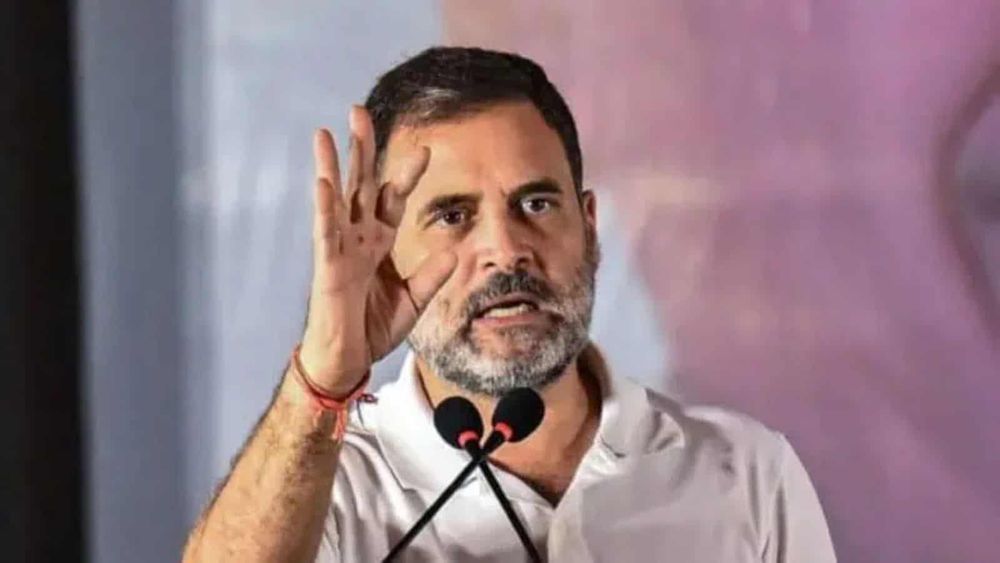
Rahul Gandhi Registers Dissent Against CBI Director Selection Process
Rahul Gandhi, the Leader of the Opposition in the Lok Sabha, has formally expressed his dissent regarding the selection process for the next Director of the Central Bureau of Investigation (CBI). In a letter addressed to Prime Minister Narendra Modi on May 12, Gandhi criticized the administrative handling of the appointment, alleging that the process has been reduced to a mere formality to install a pre-decided candidate.
Gandhi raised serious concerns over what he described as the "institutional capture" and repeated misuse of the CBI by the current government to target political opponents, journalists, and critics. He emphasized that the inclusion of the Leader of Opposition in the selection committee is intended to prevent such capture, but claimed the government has consistently denied him any meaningful role in the process.
Central to his dissent is the allegation that the government deliberately withheld crucial information required to make an informed decision. Gandhi noted that despite repeated written requests, he was not provided with the self-appraisal reports or "360-degree reports" of the eligible candidates. He pointed out the impracticality of being expected to examine the appraisal records of 69 candidates for the first time during the committee meeting itself.
The letter also highlighted a history of unaddressed grievances, with Gandhi reminding the Prime Minister that he had recorded similar dissent in a previous meeting on May 5, 2025. He further mentioned a follow-up correspondence sent on October 21, 2025, which suggested specific measures to ensure a fair and transparent process, but claimed he never received a response.
Gandhi stated that by denying the committee vital information, the government has treated the role of the Leader of Opposition as a rubber stamp. He asserted that an outright denial of 360-degree reports makes it impossible to accurately assess each candidate's history and performance, thereby making a mockery of the legal selection framework. Stating that he cannot abdicate his constitutional duty by participating in what he termed a biased exercise, he recorded his dissent in the strongest possible terms.
More National Politics News


Enjoying TindPosting?
Get the app for a faster, personalized news experience.